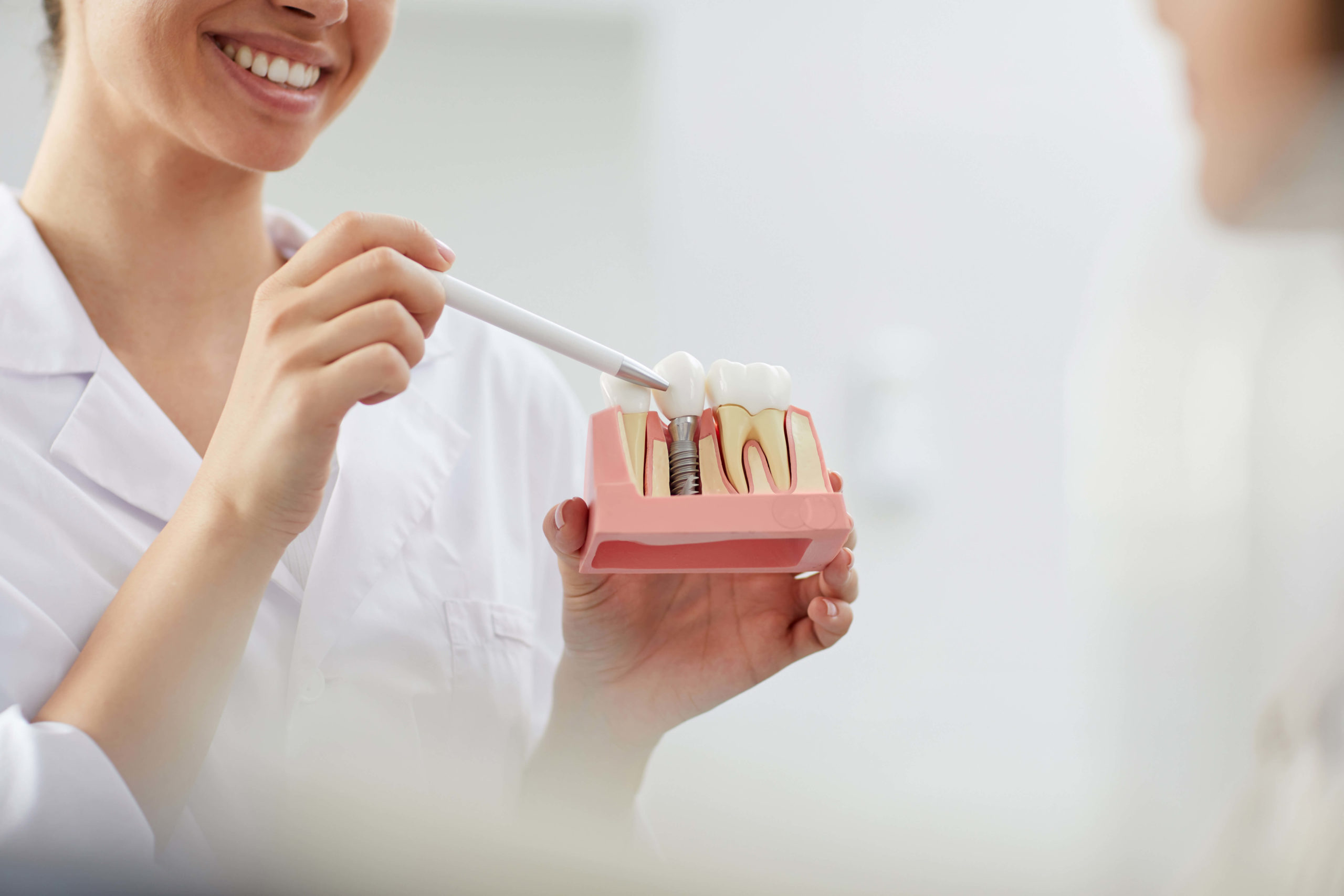
Dental implants are widely regarded as the gold standard for replacing missing teeth — they look natural, function like real teeth, and can last a lifetime with proper care. But for millions of Americans, the price tag is the first thing that stops the conversation. The good news is that in 2026, more financing options, lower-cost alternatives, and insurance developments have made dental implants more accessible than ever before. This guide breaks down exactly what implants cost, what your options are, and how to make them fit your budget.
What Dental Implants Actually Cost
Understanding the real cost of dental implants requires looking beyond the single-tooth advertised price. The total expense depends on how many implants you need, your geographic location, the complexity of your case, and which components are included in the quoted price.
Here is a realistic breakdown of costs for common implant procedures:
| Procedure | Typical Cost Range |
|---|---|
| Single tooth implant (implant + abutment + crown) | $3,000 – $6,000 |
| Implant-supported bridge (3 teeth) | $6,000 – $12,000 |
| All-on-4 (full arch, one jaw) | $15,000 – $30,000 |
| All-on-6 (full arch, enhanced stability) | $20,000 – $40,000 |
| Full mouth reconstruction (both arches) | $35,000 – $90,000+ |
| Bone graft (if needed) | $300 – $3,000 |
| Tooth extraction (if needed) | $150 – $650 per tooth |
| CT scan/3D imaging | $150 – $500 |
The most commonly quoted “starting at $1,500” prices typically refer only to the implant post itself — not the abutment (connector) or the crown (visible tooth), which must be purchased separately. Always request an all-inclusive treatment plan that itemizes every component before comparing costs across providers.
Geographic variation also plays a major role. Implants in major metropolitan areas like New York City, San Francisco, or Boston can cost 30–50% more than the same procedure in mid-sized cities or rural areas. This pricing gap is one of the reasons dental tourism — traveling to countries like Mexico, Costa Rica, or Hungary for treatment — has grown substantially among American patients.
What Determines the Final Price
Several clinical factors can significantly increase the base cost of an implant procedure:
- Bone density and volume — Patients who have experienced bone loss at the implant site require a bone graft before the implant can be placed. This adds weeks to the treatment timeline and hundreds to thousands of dollars to the total cost
- Number of missing teeth — A single implant is far less expensive than a full-arch restoration; the more teeth involved, the more complex and costly the procedure
- Implant material — Titanium implants are the standard and most affordable option; zirconia (ceramic) implants cost more but appeal to patients with metal sensitivities
- Dentist’s specialty — Oral surgeons and periodontists typically charge more than general dentists for implant placement, though their advanced training may be preferable for complex cases
- Sedation type — Local anesthesia is included in most quotes; IV sedation or general anesthesia adds $500–$1,000 or more
Does Dental Insurance Cover Implants?
Dental insurance coverage for implants remains inconsistent in 2026, but the landscape is improving. Many dental insurance plans still classify implants as a “cosmetic” or “elective” procedure and exclude them from coverage — but a growing number of plans now cover at least a portion of the cost.
When coverage does apply, dental insurance typically covers 20–50% of implant-related components, most commonly the crown portion rather than the surgical implant itself. Annual maximum benefits — usually $1,000 to $2,000 per year — can significantly limit how much insurance actually contributes to a multi-thousand dollar procedure.
Key strategies for maximizing insurance benefits:
- Timing your treatment across two calendar years — If your plan resets on January 1, having the implant post placed in November and the crown fitted in January allows you to apply two years’ worth of annual maximums to a single case
- Using medical insurance for related procedures — Bone grafts, extractions, and pre-surgical treatments may be billable to medical insurance rather than dental, potentially covering a significant portion of preparatory costs
- Checking your employer’s supplemental dental plan — Some premium employer benefit packages now include dedicated implant coverage that goes beyond standard dental plan limits
Lower-Cost Alternatives for Budget-Constrained Patients
For patients who cannot afford traditional implant pricing, several legitimate lower-cost pathways exist:
Dental School Clinics
Dental schools across the country offer implant procedures performed by supervised dental students and residents at 50% or more off typical market rates. The tradeoff is time — appointments are longer, scheduling is less flexible, and treatment may take several visits over a longer period. However, procedures are supervised by experienced, licensed faculty, and the clinical quality is generally very high. The NYU College of Dentistry, UCLA School of Dentistry, and University of Illinois Chicago College of Dentistry are among the many accredited programs offering this option.
Community Health Centers
Federally Qualified Health Centers (FQHCs) offer dental services on sliding-scale fees based on income. While not all offer implants, many now provide implant-supported dentures as an alternative to traditional dentures for qualifying low-income patients.
Mini Dental Implants
Mini implants are a narrower, shorter version of the standard implant post, costing $500–$1,500 per implant — significantly less than full-sized implants. They are best suited for stabilizing lower dentures and are not appropriate for all patients. They require less bone density and no bone grafting in many cases, making them an option for patients who cannot undergo full implant surgery.
Implant-Supported Dentures
For patients missing most or all of their teeth, implant-supported dentures (anchored by 2–4 implants rather than individual implants per tooth) offer a dramatically more affordable path to a full smile, with costs ranging from $7,000 to $18,000 per arch depending on the number of support implants used.
Financing Options: Making Implants Affordable
The most significant development in dental implant accessibility is the expansion of patient financing options. Today, patients have more ways than ever to spread implant costs into manageable monthly payments.
Medical Credit Cards
CareCredit is the most widely accepted healthcare credit card in the dental industry, accepted at over 260,000 provider locations. It offers promotional financing periods of 6 to 60 months, with 0% APR for qualified borrowers who pay the full balance within the promotional period. After the promotional period, deferred interest applies at standard rates — so it’s critical to pay the balance in full before the promotion expires.
Buy Now, Pay Later (BNPL)
Cherry Payment Plans has emerged as a leading BNPL option specifically for dental care, offering a 60-second application that uses a soft credit check (no impact on credit score), instant approval decisions, repayment periods up to 60 months, and funding up to $35,000 for dental procedures with true 0% APR for qualified borrowers. Unlike deferred-interest cards, Cherry’s 0% APR is not retroactively charged if the balance is not paid in full by a deadline.
Specialized Dental Loan Providers
- Proceed Finance — Loans from $2,500 to $75,000 with repayment terms up to 120 months; applies directly to the dental provider, enabling immediate treatment start
- LendingClub Patient Solutions — Installment loans up to $65,000 with terms from 6 to 84 months and low APR options; allows prequalification without impacting credit score
- ONEderful Finance — Submits a single application to multiple lenders simultaneously, increasing approval odds for patients with varying credit profiles
HSA and FSA Accounts
Health Savings Accounts (HSA) and Flexible Spending Accounts (FSA) allow patients to use pre-tax dollars to pay for dental implants, effectively reducing the cost by the equivalent of the patient’s tax rate. For someone in the 22% federal tax bracket, paying $5,000 in implant costs through an HSA is effectively the same as paying $3,900 out of pocket in after-tax dollars — a significant savings with no application required.
In-House Payment Plans
Many dental practices — particularly larger group practices and implant-focused chains like ClearChoice — offer their own in-house financing with $0 down and 0% interest for promotional periods, typically 12 to 18 months. These plans are often the simplest to access and require no third-party application. ClearChoice, which operates dedicated implant centers nationwide, allows patients to prequalify in minutes with no impact on their credit score.
Questions to Ask Before Committing
Before signing any financing agreement or treatment plan, ask your dental provider these essential questions:
- Is this an all-inclusive price, or will I be billed separately for the abutment, crown, and imaging?
- What happens if the implant fails — is a replacement included or covered?
- Is a bone graft likely to be needed based on my X-rays, and what would that cost?
- Which financing partners do you work with, and can I prequalify without a hard credit inquiry?
- Do you offer any discounts for paying a large portion upfront?
The Long-Term Value Calculation
At first glance, a $4,000–$5,000 single-tooth implant seems expensive compared to a $300–$500 dental bridge. But the math changes when you factor in longevity. Bridges typically last 10–15 years and require replacement, while dental implants can last 25 years to a lifetime with proper care. Over a 30-year period, the total cost of replacing a bridge twice or three times often exceeds the cost of a single implant — with none of the bone preservation benefits that implants uniquely provide.
Dental implants also protect the surrounding teeth by preventing bone loss and avoiding the tooth grinding required to fit a traditional bridge. The health value extends beyond cosmetics: missing teeth accelerate jawbone deterioration, shift neighboring teeth, and affect chewing and speech — all problems that compound in cost and complexity over time.
With the financing options, dental school alternatives, and insurance strategies available in 2026, the question is no longer whether dental implants are worth it — it’s finding the right path to make them financially achievable for your specific situation.